introduction a baicycle
For the butterfly genus, see Bicyclus. For other uses, see Bicycle (disambiguation).
“Bike” redirects here. For other uses, see Bike disambiguation
A bicycle, also called a pedal cycle, bike, push-bike or cycle, is a human-powered or motor-assisted, pedal-driven, single-track vehicle, with two wheels attached to a frame, one behind the other. A bicycle rider is called a cyclist, or bicyclist.
Bicycles were introduced in the 19th century in Europe. By the early 21st century there were more than 1 billion bicycles.[ There are many more bicycles than cars.] Bicycles are the principal means of transport in many regions. They also provide a popular form of recreation, and have been adapted for use as children’s toys. Bicycles are used for fitness, military and police applications, courier services, bicycle racing, and artistic cycling.
The basic shape and configuration of a typical upright or “safety” bicycle, has changed little since the first chain-driven model was developed around 1885.However, many details have been improved, especially since the advent of modern materials and computer-aided design. These have allowed for a proliferation of specialized designs for many types of cycling. In the 21st century, electric bicycles have become popular.
The bicycle’s invention has had an enormous effect on society, both in terms of culture and of advancing modern industrial methods. Several components that played a key role in the development of the automobile were initially invented for use in the bicycle, including ball bearings, pneumatic tires, chain-driven sprockets, and tension-spoked wheels.why do people need bicycles in life
.Cycling can help to protect you from serious diseases such as stroke, heart attack, some cancers, depression, diabetes, obesity and arthritis. Riding a bike is healthy, fun and a low-impact form of exercise for all ages. Cycling is easy to fit into your daily routine by riding to the shops, park, school or work.
(1)type off bicycle
-electrice bicyle
–sport bicycle
-bmx bicycle etc
#how much is a bicycle in japana ?
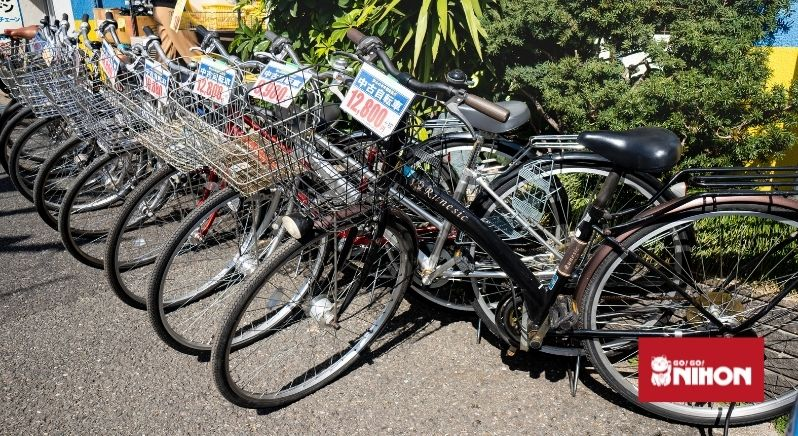
— Buying your bicycleYou’ve got three options for buying a bicycle in Japan. You can buy one at a store, online or second hand. It can vary in price from 6,000 yen to 60,000 yen. People tend to look after their bikes well in Japan so the second-hand options can be a good, reasonably priced choice.
Benefits of riding a bicycle
- Cycling for health and fitness
- Health benefits of regular cycling
- Cycling and specific health issues
- Hand cycling and health
- Where to get help
- Things to remember
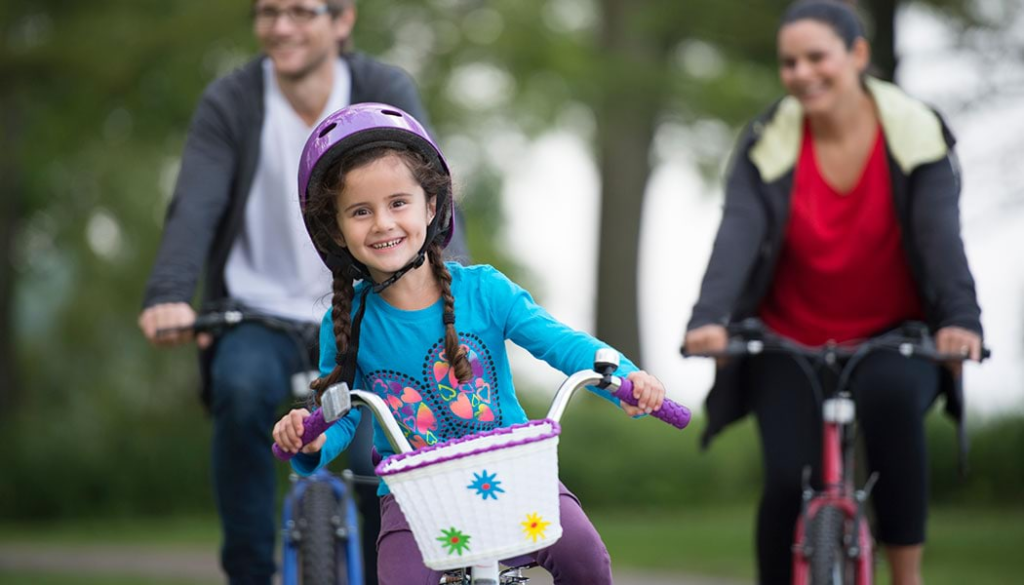
To be fit and healthy you need to be physically active. Regular physical activity can help protect you from serious diseases such as obesity, heart disease, cancer, mental illness, diabetes and arthritis. Riding your bicycle regularly is one of the best ways to reduce your risk of health problems associated with a sedentary lifestyle. Cycling is a healthy, low-impact exercise that can be enjoyed by people of all ages, from young children to older adults. It is also fun, cheap and good for the environment.
Cycling for health and fitness
It only takes two to four hours a week to achieve a general improvement to your health. Cycling is:
- Low impact – it causes less strain and injuries than most other forms of exercise.
- A good muscle workout– cycling uses all of the major muscle groups as you pedal.
- Easy – unlike some other sports, cycling does not require high levels of physical skill. Most people know how to ride a bike and, once you learn, you don’t forget.
Health benefits of regular cycling
Cycling is mainly an aerobic activity, which means that your heart, blood vessels and lungs all get a workout. You will breathe deeper, perspire and experience increased body temperature, which will improve your overall fitness level.
The health benefits of regular cycling include:
- increased cardiovascular fitness
- increased muscle strength and flexibility
- improved joint mobility
Cycling and specific health issues
Cycling can improve both physical and mental health, and can reduce the chances of experiencing many health problems.
Obesity and weight control
Cycling is a good way to control or reduce weight, as it raises your metabolic rate, builds muscle and burns body fat. If you’re trying to lose weight, cycling must be combined with a healthy eating plan. Cycling is a comfortable form of exercise and you can change the time and intensity – it can be built up slowly and varied to suit you.
Bone injuries, arthritis and cycling
Cycling improves strength, balance and coordination. It may also help to prevent falls and fractures. Riding a bike is an ideal form of exercise if you have osteoarthritis, because it is a low-impact exercise that places little stress on joints.
Mental illness and cycling
Mental health conditions such as depression, stress and anxiety can be reduced by regular bike riding. This is due to the effects of the exercise itself and because of the enjoyment that riding a bike can bring.
Hand cycling and health
Hand cycles are similar to recumbent tricycles, but they are powered with hand instead of foot pedals. Velcro straps can be used to secure the hands to the pedals if necessary.
Things to remember
- Cycling can help to protect you from serious diseases such as stroke, heart attack, some cancers, depression, diabetes, obesity and arthritis.
- Riding a bike is healthy, fun and a low-impact form of exercise for all ages.
- Cycling is easy to fit into your daily routine by riding to the shops, park, school or work.
